The Dryer Outlet Myth: Why You Shouldn’t Use an Existing 240V Plug for Your Car
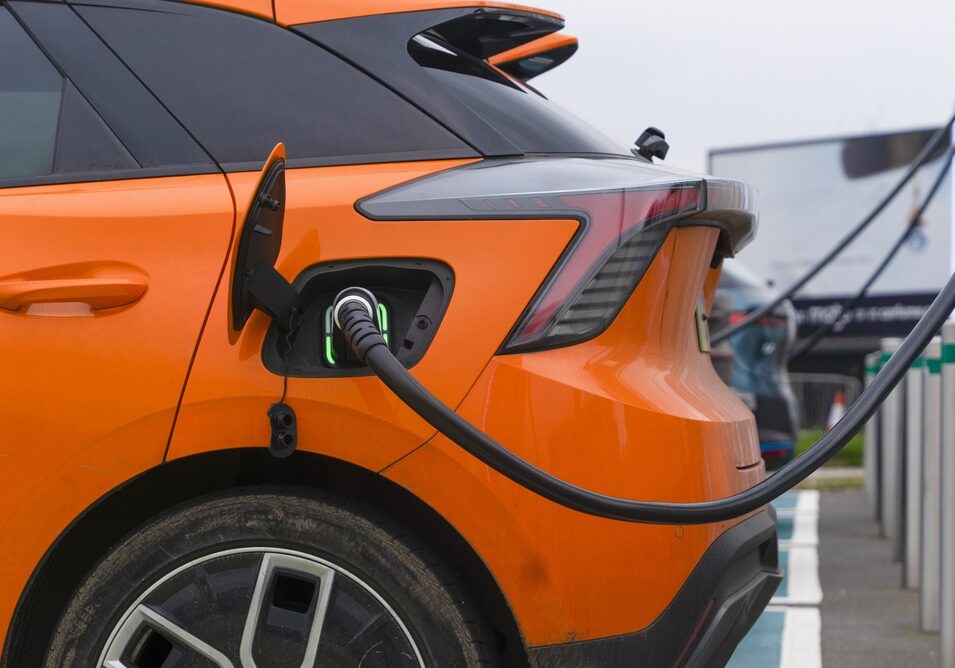
Many homeowners are surprised to learn that having a 240-volt dryer outlet does not automatically mean they are ready to charge an electric vehicle safely. At first glance, the idea seems logical. Both a clothes dryer and an EV charger use 240-volt power, so why not plug the vehicle into the existing outlet and call it a day? The answer comes down to how electricity is used over time.
For homeowners considering professional EV charger installation in Mililani, HI, understanding the difference between appliance loads and vehicle charging loads is essential for safety and long-term system reliability.
The Continuous Load Difference
A dryer typically runs in cycles. It draws power, pauses, adjusts, and shuts off when the load is complete. An electric vehicle charger operates differently. It can draw high levels of power continuously for several hours while charging a battery.
The National Electrical Code defines a continuous load as one expected to run for three hours or more. EV charging commonly falls into this category. Because of that, charging equipment and the circuits supporting it must be designed to handle sustained electrical demand without overheating.
Why continuous loads matter:
- Electrical components remain under stress for longer periods
- Heat has less opportunity to dissipate
- Older outlets may not be rated for extended demand
- Worn connections can become failure points
This is one reason professional electric vehicle charger installation is often recommended instead of relying on existing appliance circuits.
Why Dryer Outlets Can Overheat
Many dryer outlets were installed years ago and were never intended to support long-duration charging sessions. Even when the voltage is correct, the outlet, wiring, breaker, and connections may not be designed for the duty cycle associated with EV charging.
Over time, continuous power draw can create heat at connection points. Loose terminals, aging receptacles, and worn wiring can all contribute to elevated temperatures. In severe cases, overheating can damage the outlet itself.
Homeowners sometimes discover these issues only after requiring targeted EV charger repair due to equipment shutdowns or visible outlet damage.
Dedicated Circuits Are Designed for the Job
A properly installed EV charging setup uses a dedicated circuit sized specifically for the charging equipment. This allows the system to operate within its intended electrical limits while reducing stress on other household circuits.
Benefits of a dedicated EV charging circuit:
- Consistent charging performance
- Reduced risk of overheating
- Improved electrical reliability
- Compatibility with modern charging equipment
- Easier future upgrades
During a specialized EV charger station installation, electricians evaluate panel capacity, circuit requirements, and equipment specifications to create a setup designed for continuous use.
The Outlet Is Only Part of the Equation
Many homeowners focus on the receptacle itself, but safe charging depends on the entire electrical path. The breaker, wiring, connections, and panel capacity all contribute to system performance.
Setting up an electric car charging station may require electrical upgrades if the home’s existing infrastructure was not designed for sustained high-power loads. This evaluation helps identify potential limitations before charging equipment is installed.
Modern Chargers Demand Modern Infrastructure
Today’s electric car charger equipment often includes smart charging features, load management capabilities, and higher charging rates than older systems. While these features improve convenience, they can also increase electrical demand.
This is why professional installation focuses on the entire system rather than simply finding an available outlet. A properly designed charging setup helps support both vehicle charging performance and overall household electrical safety.
Frequently Asked Questions
Can I plug my EV into my dryer outlet?
Some charging adapters exist, but the suitability depends on the outlet condition, circuit capacity, and electrical system design.
Why do EV chargers create more stress than dryers?
EV chargers often operate continuously for hours, while dryers cycle on and off during operation.
Does every EV charger need a dedicated circuit?
Most permanently installed chargers use dedicated circuits to support safe operation.
How do I know if my panel can support EV charging?
A professional electrical evaluation can determine whether your current system has sufficient capacity.
Safe Charging Starts With the Right Setup
Using an existing dryer outlet may seem convenient, but EV charging places unique demands on an electrical system that many appliance circuits were never designed to handle. E I Electrical Inc. helps homeowners make informed decisions with rapid response times, licensed, bonded, and insured electricians, and a workmanship guarantee that stands behind every installation. If you are planning to add EV charging to your home, our team can evaluate your electrical system and recommend a solution built for safe, reliable performance. Contact us today for a consultation!
Don’t Hesitate To Contact Us Any Time