Solar Generators vs. Traditional Gas: Which is Better for Your Needs?
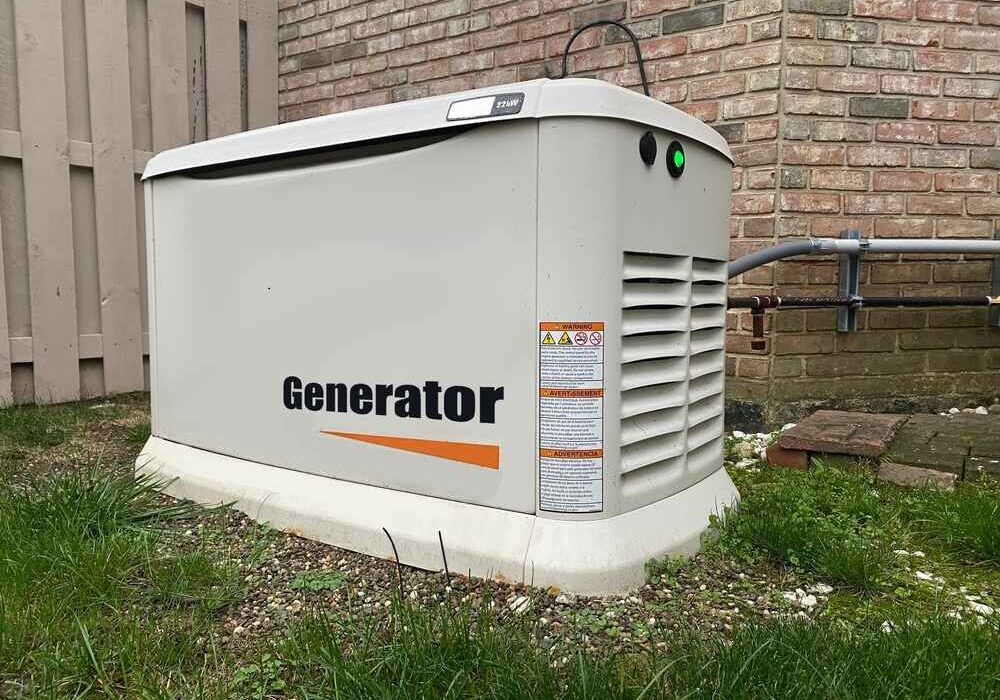
Power outages don’t wait for a good time. A storm knocks out the grid, a heat wave overloads a local transformer, or hurricane season rolls through, and suddenly your refrigerator, medical equipment, and home office depend on a battery bank or a fuel tank. Homeowners comparing solar-powered stations to traditional gas generators are really asking one question: what happens the moment the lights go out, and how long can you count on staying powered?
E I Electrical Inc. hears this question often from families searching for home generators in Kapolei, HI, who want a straight answer instead of a sales pitch.
What’s the Real Difference Between a Power Station and a Gas Generator?
Portable power stations like Jackery and EcoFlow store energy in lithium batteries and release it through built-in inverters. There’s no fuel, no exhaust, and no moving parts. Traditional generators burn gasoline, propane, or diesel to spin an engine that produces electricity on demand.
Both accomplish the same goal. How they get there, and how long they can sustain it, is where the real decision lives.
- Power stations: rechargeable batteries, solar panel compatible, zero emissions
- Gas generators: combustion engines, fuel-dependent, higher continuous output
How Long Will Each Option Keep the Power On?
A power station’s runtime is fixed by its battery capacity. Once it’s drained, it’s dead until recharged, which limits how many devices it can carry through a multi-day outage. Gas units can run as long as fuel is available, and a whole home generator wired to a natural gas or propane line can run indefinitely without refueling at all. For homeowners running well pumps, HVAC systems, or medical devices, that continuous capacity often matters more than portability.
Which One Recharges Faster During an Extended Outage?
This is where the gap widens. A gas tank refills in minutes at any station. A power station recharges through solar panels, which depend on sunlight hours and weather, or through a wall outlet, which assumes the grid is already back up. EcoFlow and similar brands have improved fast-charging speeds, but they still can’t match the instant turnaround of pouring fuel into a tank during a storm.
Is a Solar Generator Actually Quieter?
Yes, noticeably. Power stations run silent because there’s no engine. Gas generators produce real noise and require outdoor placement away from windows and doors due to exhaust. For anyone with close neighbors, a home office, or a nursery, silent operation is a genuine advantage worth weighing against runtime limits.
Which Setup Fits Your Home’s Wiring?
This is where most homeowners need guidance beyond the spec sheet. A portable power station can plug directly into select appliances, but a whole home generator requires proper installation into your electrical panel through a transfer switch, so power routes safely without backfeeding the grid or overloading circuits. Skipping that step, or hiring someone unfamiliar with local code, tends to lead to expensive repairs later. E I Electrical Inc. wires both battery-based and combustion systems into existing home electrical setups, matching the equipment to the actual household load rather than a generic package.
Frequently Asked Questions
Can a solar generator run my whole house?
Most portable units are built for essential appliances and electronics, not full-home coverage. A dedicated whole home generator is the more realistic option for covering HVAC, water heaters, and major appliances at once.
How much does installing a home standby generator typically cost?
Generator service procedure pricing depends on generator size, fuel type, and the electrical work required to tie it into your panel. A licensed electrician can walk through your home’s specific load before quoting anything.
Do power stations lose battery capacity over time?
Yes, like any lithium battery, capacity gradually declines with charge cycles, which is worth factoring in if you’re planning for long-term outage coverage rather than occasional use.
Choosing between a battery-based system and a combustion engine comes down to how you actually use power during an outage, not which option sounds more modern. E I Electrical Inc. is family-owned and locally operated, trusted by the community since 1996, and fully licensed, bonded, and insured for electrical work throughout the island. If you’re weighing a backup generator for home use and want it wired correctly the first time, our team is ready to walk through your options and get it done right.
One call is all it takes to keep your home powered through the next outage. Contact EI Electrical Inc. today to get started.
Don’t Hesitate To Contact Us Any Time