Hardwired vs. Plug-In: Which EV Charger Installation is Actually Safer for Your Garage?
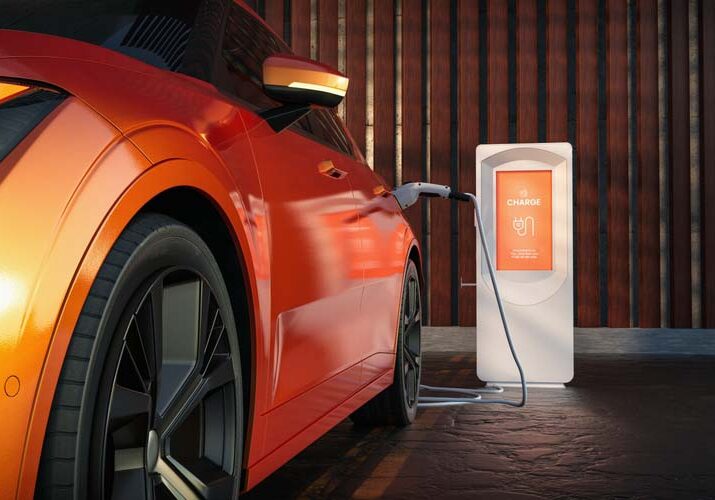
Choosing the right setup for EV charging impacts safety, efficiency, and long-term performance. For homeowners considering having an EV charger installation in Mililani, HI, one of the most important decisions is whether to use a NEMA 14-50 outlet or a hardwired connection.
Both work, but they behave very differently under real-world electrical load.
NEMA 14-50 Outlet: Flexible but Heat-Prone
A NEMA 14-50 outlet is a heavy-duty plug-in receptacle used for Level 2 EV charging. It offers flexibility since you can unplug and move your charger if needed. However, that plug connection introduces a small but important limitation: resistance at the contact point.
Over time, this can lead to the following:
- Mild heat buildup during long charging sessions
- Wear on outlet blades and plug terminals
- Increased sensitivity to installation quality
Even a slightly loose termination can amplify heat, especially under continuous load.
Hardwired Connection: Stable and Thermally Efficient
A hardwired EV charger removes the plug-and-receptacle interface entirely. The charger is directly connected to the electrical system.
This typically results in:
- Lower heat at connection points
- More stable power delivery
- Fewer mechanical failure points
- Better performance for daily charging
For homeowners who opt for a dedicated electric vehicle charger installation, hardwired setups are often preferred for long-term reliability.
Heat Dissipation: The Key Difference
Heat management is where these two systems diverge most clearly.
- NEMA 14-50 outlets: Heat concentrates at the plug interface
- Hardwired systems: Heat is distributed through fixed conductors
Over time, excess heat can contribute to premature wear, especially in high-use setups.
GFCI Breakers and Nuisance Tripping
Some EV owners experience unexpected breaker trips, commonly referred to as nuisance tripping.
This is more common in plug-in setups due to the following:
- Slight thermal fluctuations at the outlet
- Continuous high-load operation
- Sensitivity of GFCI protection over long charge cycles
Hardwired installations tend to reduce this EV charger repair issue by eliminating the plug interface and improving circuit stability. Still, proper design and breaker sizing are critical in any setup.
Weatherproofing Considerations
Outdoor EV charging adds another layer of complexity, especially in humid or coastal environments.
With NEMA 14-50 outlets:
- Weatherproof covers are required
- Moisture sealing must be maintained
- Corrosion becomes a long-term concern
Hardwired electric car charger units reduce exposed connection points, improving durability and making them a stronger option for an EV charger station installation outdoors.
FAQs
Is a NEMA 14-50 outlet safe for EV charging?
Yes, when properly installed by a licensed electrical contractor, it is safe. However, it must be correctly torqued and regularly inspected to prevent heat buildup.
Why does my EV charger trip the breaker sometimes?
This is often due to GFCI sensitivity, load spikes, or minor grounding fluctuations. It’s more common in plug-in setups than hardwired ones.
Does a hardwired EV charger charge faster?
Not necessarily. Charging speed depends on the charger and circuit capacity, but hardwired systems often deliver more stable performance under load.
Which lasts longer: outlet or hardwired system?
Hardwired systems generally last longer because they eliminate wear points like plug contacts and receptacle degradation.
Do I need a professional for installation?
Yes. Whether it’s an electric car charging station setup, repair, or a full electrical panel upgrade, professional installation ensures safety and compliance.
Ensuring Long-Term Performance for Your EV Charging System
The choice between a NEMA 14-50 outlet and a hardwired EV charger comes down to flexibility versus long-term stability. While both can work, heat dissipation, reliability, and installation quality ultimately determine performance.
For expert EV charger station installation, troubleshooting, or charger repair, trust licensed electricians like the E I Electrical Inc. team who understand load management, weatherproofing, and modern electric vehicle demands so your charging system performs at peak efficiency every time you plug in. Schedule a consultation today!
Don’t Hesitate To Contact Us Any Time