EV Charging for Multi-Family Homes: How to Get a Charger Installed in Your Condo or HOA
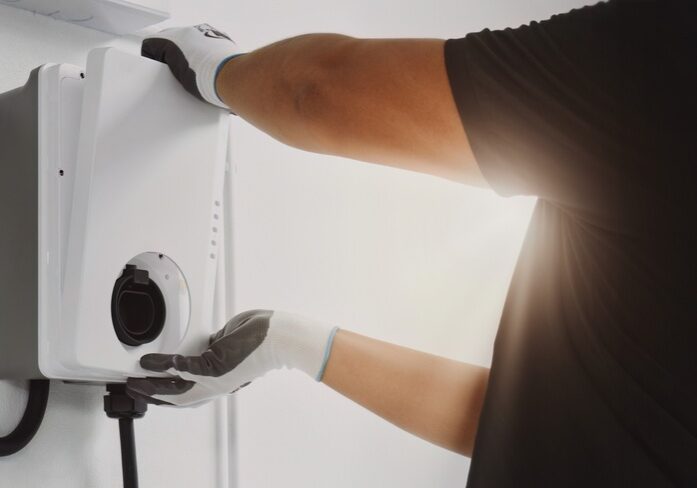
More condo owners in Hawaii are asking the same question: how do you add an electric vehicle charger to a building that wasn’t built with one in mind? The answer usually starts with a state law many residents don’t know exists, and it continues with a conversation you’ll need to have with your board. Whether you’re driving a hybrid now or planning ahead for an electric vehicle charger, understanding your rights as an owner is the first step. For anyone researching EV charger installation in Honolulu, HI, the process is more approachable than it looks once you know the rules.
What Is “Right to Charge” and Does Hawaii Have One?
Hawaii is one of a growing number of states with a “right to charge” law on the books. In plain terms, this means:
- HOAs and condo associations generally cannot outright refuse a resident’s request to install EV charging equipment at their own parking stall
- Boards can set reasonable rules around aesthetics, safety, and cost allocation
- Associations may require the owner to cover installation and maintenance costs unless the community decides otherwise
The law protects your right to request a charger. It doesn’t mean you can install one without notice or approval.
What Rights Do Condo and HOA Owners Actually Have?
Owners typically have the right to submit a formal request, receive a response within a defined timeframe, and get a written explanation if the board denies or modifies the request. Boards can require permits, licensed electrical work, and proof of insurance during installation, but they can’t use vague concerns about “future issues” as a blanket reason to say no.
How to Propose a Metered Common-Area Charging Solution
A shared, metered station in a common area often works better than dozens of individual chargers scattered through a garage. This approach lets multiple residents use one system while paying only for the electricity they actually use.
A strong proposal to your board usually includes:
- A site assessment showing where the panel capacity exists for expansion
- A recommendation for submetering so costs are billed fairly to each user
- A comparison of Level 2 charging equipment options and their upfront versus long-term costs
- A maintenance plan, since shared equipment needs occasional EV charger repair and upkeep
What Should Go in Your Written Board Proposal?
Boards respond better to specifics than to general requests. Include the number of interested residents, the proposed location, the projected electrical load, and a licensed contractor’s estimate for EV charger station installation. Attach the relevant state statute so the board understands the legal context, and offer to present at a board meeting rather than leaving it to email exchanges alone.
What Happens After the Board Approves?
Once approved, the work moves to permitting, panel upgrades if needed, and the physical installation of the electric car charging station. A licensed electrician handles load calculations, conduit runs, and metering setup so the system holds up under regular daily use rather than needing repairs within the first year.
Frequently Asked Questions
Can an HOA charge extra fees for approving an EV charger request?
Some associations charge a reasonable administrative or review fee, but they generally cannot impose fees so high that they discourage owners from exercising their right to charge.
Who pays for electricity used at a shared EV charging station?
This depends on the metering setup. Submetered systems bill each resident for their own usage, while flat-fee arrangements split costs evenly regardless of how much a person charges.
How long does the HOA approval process typically take?
Timelines vary by association bylaws, but many boards are required to respond to a written request within 60 to 90 days.
Ready to Bring EV Charging to Your Building?
Getting a shared charging system approved takes the right documentation, and getting it installed takes the right electrical vehicle charger installation team behind it. As a family-owned business that’s been trusted by island communities since 1996, our licensed electricians handle everything from board presentations to panel upgrades, backed by a workmanship guarantee on every job. If your condo or HOA is ready to move forward, reach out and get a straightforward assessment of what your building needs.
Don’t Hesitate To Contact Us Any Time