
Art and Accent Lighting: Retrofitting Track Lights for Galleries and Displays
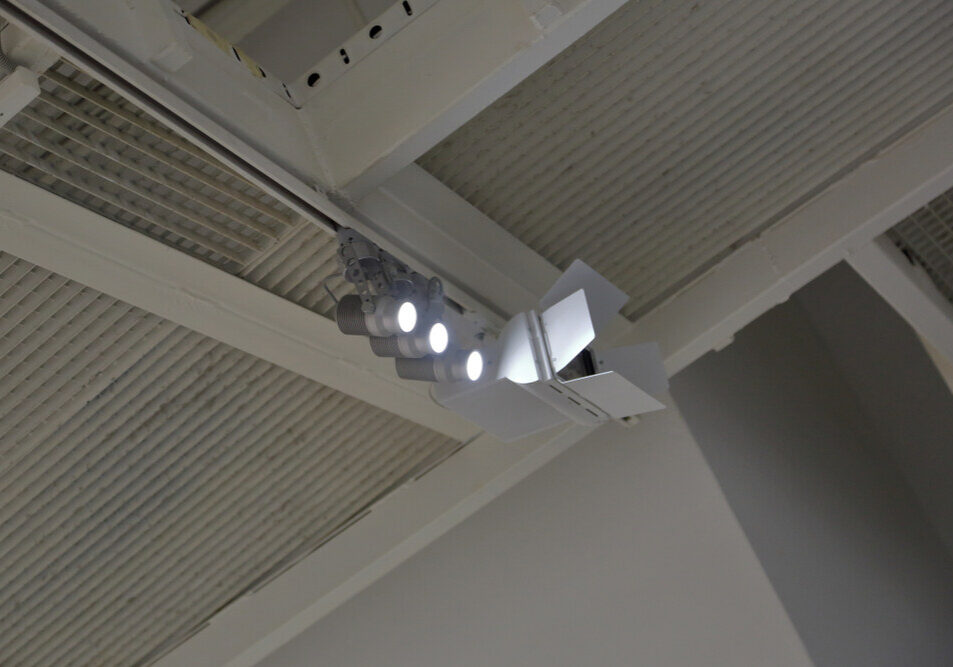
Track lighting does more than illuminate a room. In a gallery or display space, it shapes how a piece is read, how color appears, and how long that piece survives before the finish fades. Many galleries still run on halogen track heads installed decades ago, fixtures that throw heat, distort color temperature, and slowly degrade the very pieces they’re meant to showcase. E I Electrical Inc. works on these systems often enough to know the difference a proper upgrade makes, both for the art on the wall and the electric bill at the end of the month. For gallery owners searching for an LED lighting retrofit in Kailua, HI, the goal usually comes down to two things: better presentation and less risk to the collection.
Why Old Halogen Track Heads Are a Liability for Displays
Halogen bulbs run hot, sometimes over 300 degrees Fahrenheit at the lens. That heat radiates directly onto canvas, textiles, photographs, and framed paper, accelerating drying, cracking, and warping over time. Halogen also emits a meaningful amount of ultraviolet light, which breaks down pigments and causes visible fading in reds and blues, especially. A few consequences show up gradually in most galleries:
- Color shift in paintings hung under the same fixture for years
- Brittle or yellowing varnish on older canvases
- Warped mats and frames near heat-heavy spotlights
- Rising utility costs from inefficient bulbs that need frequent replacement
An LED retrofit addresses all four at once, without requiring a full rewire of the ceiling grid in most cases.
How LED Beam Angles Protect Artwork and Improve Presentation
The real advantage of upgrading isn’t just efficiency. It’s control. LED track heads come in a range of beam angles, typically from 15 to 60 degrees, and that range is what separates flat, generic lighting from a display that feels intentional. A narrow 15 to 24 degree beam creates a tight, theatrical pool of light on a single sculpture or focal painting, drawing the eye without spilling onto neighboring walls. Wider beams, closer to 40 to 60 degrees, work better for broad textile pieces or grouped displays where even coverage matters more than drama.
Because LEDs produce little to no UV output and run at a fraction of the heat of halogen, galleries can position fixtures closer to sensitive pieces without accelerating damage. Museums have used this logic for years, and it’s now standard practice for private galleries and retail displays as well. Precise beam control also means less glare bouncing off glass-framed pieces, which matters for anyone photographing a collection or hosting an opening.
What to Expect During a Track Lighting Upgrade
Retrofitting an existing track system usually involves swapping halogen or older fluorescent heads for LED-compatible fixtures on the same rail, adjusting the driver or transformer if the current one isn’t LED-rated, and recalibrating color temperature across the space so every piece reads consistently under the same light. Most galleries choose a color temperature between 2700K and 3000K for warm-toned work, or closer to 3500K to 4000K for contemporary pieces and mixed-media displays. A well-planned lighting retrofit service visit will also flag any circuits that are overloaded or wired incorrectly for dimming, since flickering or buzzing fixtures often trace back to outdated wiring rather than the bulbs themselves.
FAQ
How much does it cost to retrofit gallery track lighting?
Cost depends on the number of fixtures, whether the existing transformer needs replacing, and the complexity of dimming controls. Small galleries with under 20 heads often see a return on the investment within a year or two through reduced energy use alone.
Can I retrofit LED heads onto my existing track rail, or do I need a new system?
Most standard track rails, including H, J, and L types, accept LED heads directly. Compatibility issues usually come from the transformer or dimmer rather than the rail itself, so a quick electrical check settles that question fast.
Will switching to LED change how colors look in my gallery?
Yes, and generally for the better. LED fixtures rated at a high CRI, 90 or above, render color more accurately than aging halogen bulbs, which often shift warm and yellow as they age.
Ready for a Cleaner, Safer Display
A retrofit lighting system pays for itself through lower energy costs, but the bigger win is protecting what’s actually hanging on the wall. E I Electrical Inc. is locally owned and operated, Google 5-Star rated, and backed by a workmanship guarantee on every job. Reach out to schedule an assessment for your gallery, studio, or retail display, and get lighting that does right by the art and the space around it.
Don’t Hesitate To Contact Us Any Time