When to Consider an Electrical Service Upgrade for Your Home
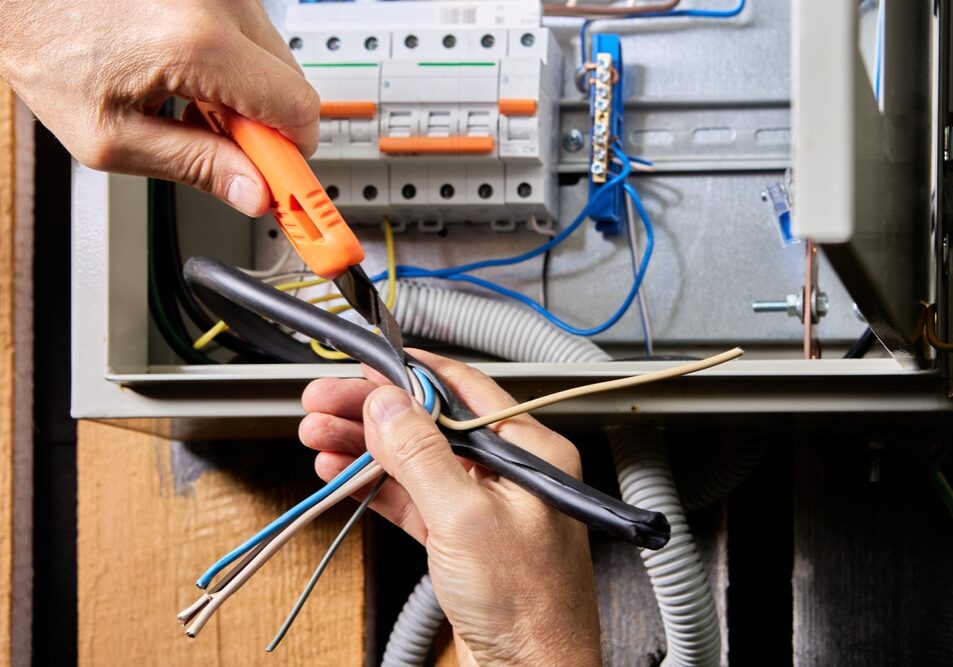
Every time you plug in a new appliance or turn on your air conditioner, you expect your home to handle the power demand without a second thought. However, older electrical systems often struggle to keep up with modern technology. If you notice flickering lights, tripping breakers, or warm outlets, your home is likely giving you clear warning signs. Ignoring these signals can lead to safety hazards, including electrical fires. According to data from the National Fire Protection Association (NFPA), electrical failures or malfunctions cause more than 43,000 home fires each year. Upgrading your system addresses these issues before they turn into emergency situations. When you need a reliable team to evaluate your system, E I Electrical Inc. provides the professional skill required for a safe electric panel installation in Honolulu City, HI.
Clear Signs Your Home Power System is Struggling
Many older homes operate on 60-amp or 100-amp service, which is inadequate for the modern household. Most current residential properties require at least a 200-amp capacity to support multiple high-power appliances simultaneously. When your system operates beyond its capacity, the hardware degrades over time.
You should monitor your home for these specific physical warning signs:
- Breakers that trip frequently when you use basic appliances.
- Crackling, buzzing, or clicking noises coming from the main service box.
- Outlets that feel warm to the touch or show scorch marks.
- Lights that dim significantly when the refrigerator or microwave turns on.
- The persistent need for electric panel repair to keep your power running.
The Impact of Modern Appliances on Vintage Systems
Adding modern conveniences like electric vehicle chargers, central air conditioning, or high-end kitchen appliances changes your total power load. Older equipment cannot handle these heavy demands safely. The U.S. Consumer Product Safety Commission (CPSC) notes that older electrical components are a leading cause of residential accidents because their insulation degrades over time.
Investing in electrical panel upgrades allows your system to handle these newer devices without overloading. A system with proper capacity prevents circuit overloads and keeps your electronics running efficiently.
Choosing the Right Level of Improvements
Not every power issue requires a complete system overhaul, but understanding your options helps you make informed choices. Standard maintenance fixes small issues like loose wires or single broken breakers. For larger capacity issues, electrical services upgrades expand your total available power so you can use multiple devices at the same time.
We assess your total power consumption to determine the exact level of service your property needs. This targeted approach prevents you from overpaying for unnecessary equipment while keeping your household safe.
Frequently Asked Questions
How long does a standard panel replacement take to complete?
A typical replacement takes between four to eight hours of active work. Your power will be turned off during this period to maintain safety.
Can I add more circuits without replacing my current box?
You can add circuits only if your physical box has open slots and your total amp capacity can handle the extra load. If the box is full or at maximum capacity, you need a replacement.
How do I know if my system has a dangerous federal pacific panel?
You can look at the label on the inside of your panel door for the name Federal Pacific Electric or FPE. These specific units are known for failing to trip during overloads and require immediate replacement.
Upgrading your electrical infrastructure enhances the safety and functionality of your entire household. Our team at E I Electrical Inc. focuses on precise workmanship and clear communication throughout the entire project. We evaluate your current power load, identify hidden vulnerabilities, and install durable equipment that meets local building codes. Contact our office today to speak with a licensed technician about your electrical system needs.
Don’t Hesitate To Contact Us Any Time