The Wattage Audit: A Room-by-Room Guide to Sizing Your Generator
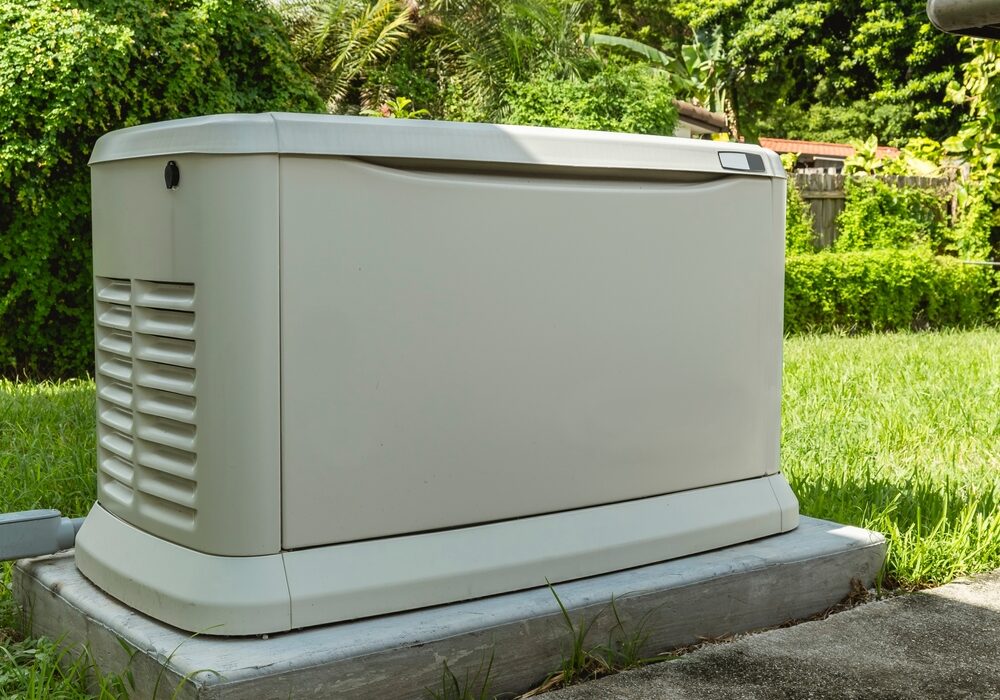
One of the most common mistakes homeowners make when shopping for a generator is focusing only on the appliances they want to run without calculating how much power those appliances actually require. During an outage, a generator that is too small may struggle to start large equipment, trip overload protection, or shut down unexpectedly.
For homeowners doing their research on home generators in Ewa Beach, HI, performing a simple wattage audit before purchasing equipment can help avoid frustration and improve reliability when backup power is needed most.
The Difference Between Starting Watts and Running Watts
Many appliances require more electricity to start than they do to operate continuously. This temporary surge is known as starting wattage. Running wattage refers to the amount of power needed after the appliance is already operating.
For example, a refrigerator may run on several hundred watts during normal operation but require significantly more power for a few seconds when the compressor starts. According to the U.S. Department of Energy, motors and compressors commonly create startup surges that exceed their normal operating demand.
Why both numbers matter:
- Running watts determine ongoing power needs
- Starting watts affect generator sizing
- Multiple appliances can start simultaneously
- Undersized generators may stall during startup
Ignoring startup demand is one reason many homeowners end up needing unexpected generator repair after repeated overload events.
Start Your Audit Room by Room
A practical wattage audit begins by identifying the appliances and systems you consider essential during an outage. Instead of estimating the entire house at once, work through each area individually.
Kitchen
Typical items include:
- Refrigerator
- Freezer
- Microwave
- Coffee maker
Refrigerators and freezers are often the most important loads because they protect food and medications from spoilage.
Living Areas
Common loads may include:
- Lighting
- Televisions
- Internet equipment
- Phone chargers
These devices generally have lower power requirements but still contribute to the total demand placed on a system supported by a backup generator for home use.
Bedrooms
Consider:
- Ceiling fans
- Portable air conditioning units
- Medical devices
- Lighting
Medical equipment should always be factored into generator planning if continuous operation is necessary.
Don’t Forget Large Mechanical Systems
The biggest power demands often come from equipment homeowners overlook during planning.
Major loads frequently include:
- Central air conditioning systems
- Well pumps
- Sump pumps
- Electric water heaters
HVAC equipment deserves special attention because compressor startup loads can be substantially higher than normal operating demand. During a professional generator installation, electricians often calculate these loads separately to avoid undersizing the system.
Sample Wattage Worksheet
While exact requirements vary by manufacturer, the following example illustrates how a homeowner might begin estimating power needs.
| Appliance | Running Watts | Starting Watts |
|---|---|---|
| Refrigerator | 700 | 2,100 |
| Freezer | 500 | 1,500 |
| Well Pump | 1,000 | 3,000 |
| Microwave | 1,000 | 1,000 |
| Internet Equipment | 150 | 150 |
| Lighting Circuits | 300 | 300 |
In this example, total running demand is lower than the combined startup demand. The generator must be able to accommodate both.
Whole-Home Power vs. Essential Circuits
Not every homeowner wants to power the entire property during an outage. Some choose to operate only critical equipment, while others prefer full-home coverage.
A whole home generator is typically sized to support a much larger percentage of household demand, including heating and cooling equipment. Systems designed for essential circuits only may require significantly less capacity.
The best option depends on budget, electrical infrastructure, and how much convenience a homeowner wants during extended outages.
Why Professional Sizing Matters
Generator sizing involves more than adding appliance labels together. Electricians evaluate startup loads, load sequencing, transfer switch requirements, and panel capacity to determine the appropriate system size.
This evaluation is often performed as part of routine generator service, helping homeowners avoid purchasing equipment that cannot reliably support their intended loads.
Frequently Asked Questions
What happens if my generator is too small?
It may overload, stall, or fail to start larger appliances when they cycle on.
Should I calculate starting watts or running watts?
Both are important because generators must handle startup surges as well as ongoing demand.
Can one generator power an entire home?
Yes, but capacity requirements depend on the home’s electrical load and appliance usage.
How do I know which size generator I need?
A professional load calculation provides the most accurate sizing information.
Build Your Backup Power Plan Before the Next Outage
A generator is only as effective as the planning behind it. Taking the time to understand your home’s actual electrical demand helps prevent undersized equipment and unexpected performance issues during an outage. E I Electrical Inc. has been trusted and recommended by the community since 1996, providing homeowners with expert guidance, rapid response times, and a full range of electrical services. If you’re considering backup power solutions, our team can help determine the right generator size for your home’s specific needs. Get in touch with us today!
Don’t Hesitate To Contact Us Any Time