Zinsco and Federal Pacific: Why Your Old Panel Might Be an Untrippable Fire Risk
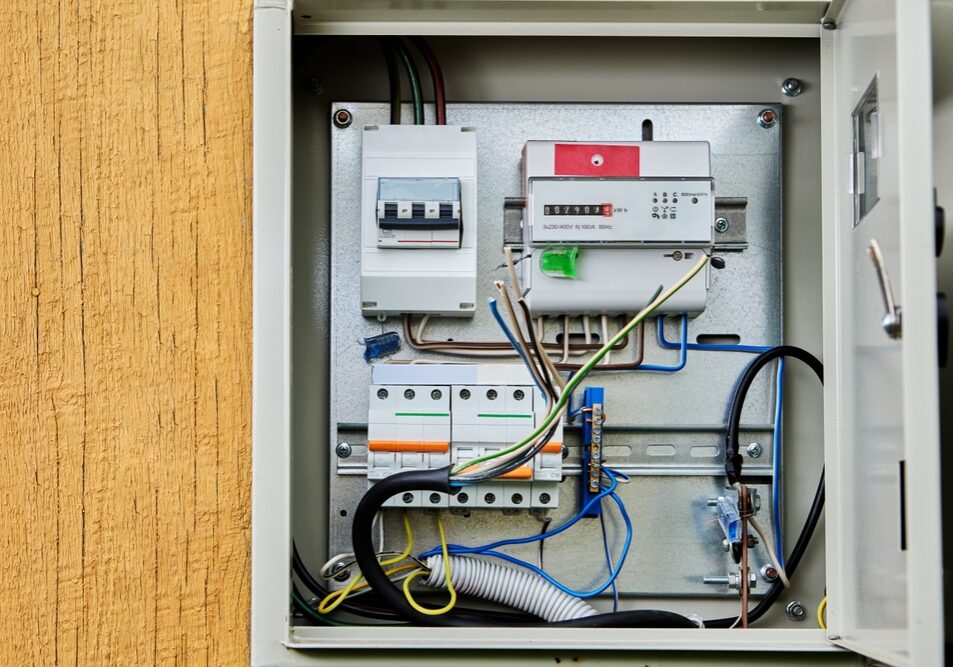
Many older homes still rely on electrical panels that were installed decades ago, and some of those panels carry known safety concerns that homeowners are not always aware of. Two of the most widely discussed brands are Zinsco and Federal Pacific Electric (FPE), both of which have documented issues with breakers that may fail to trip when they should. That failure creates a serious risk because the system is supposed to shut off power during overloads.
For homeowners considering professional electric panel installation in Hawaii Kai, understanding these legacy systems helps explain why upgrades are often recommended when older panels are still in service.
Why Breakers Are Designed to Trip
Circuit breakers are safety devices meant to interrupt electrical flow when a circuit becomes overloaded or shorted. Under normal conditions, this prevents overheating in wiring and reduces the risk of electrical fires. When a breaker fails to trip, that safety mechanism is effectively disabled.
The U.S. Consumer Product Safety Commission has previously reviewed concerns related to certain legacy panel designs, noting that some breakers may not respond reliably under overload conditions. While not every unit fails, the risk increases with age, wear, and internal component degradation.
The Problem With Zinsco Panels
Zinsco panels were widely installed in homes from the mid-20th century. The main concern with these systems is related to breaker contact design. In some cases, breakers may appear to be in the “off” position but still maintain electrical contact, or they may fuse to the bus bar during a fault condition. This creates a situation where power continues flowing even when the breaker is no longer functioning correctly.
Common concerns with Zinsco panels:
- Breakers may stick to the bus bar
- Visual switch position may not reflect actual status
- Overheating at connection points
- Reduced reliability under load changes
These issues often come to light during electric panel repair calls, especially when homeowners experience repeated tripping or unexplained power irregularities.
Federal Pacific Panels and Breaker Failure Risks
Federal Pacific Electric panels have also been widely scrutinized due to breaker performance concerns. In some documented cases, breakers may not trip at their rated load levels, which defeats their primary safety function. Over time, this can allow circuits to carry more current than they are designed for, increasing heat buildup inside walls and outlets. Because of these risks, many electricians recommend comprehensive electrical panel upgrades when these systems are still in operation, particularly in older homes where electrical demand has increased over time.
Why Aging Panels Become More Unpredictable
Electrical panels do not fail all at once. Instead, wear develops gradually inside breakers, bus bars, and connection points. Dust buildup, corrosion, and repeated load cycling can all contribute to inconsistent performance. When panels begin to show signs of instability, homeowners may notice flickering lights, frequent breaker trips, or circuits that no longer reset properly. In these cases, proactive electrical services upgrades may be necessary to restore system stability and bring the home up to modern electrical safety expectations.
When Replacement Becomes the Safer Option
If a panel shows widespread wear or belongs to a legacy brand with known safety concerns, a full electrical panel replacement is often recommended over piecemeal repairs. Replacement allows for updated breaker technology, improved load distribution, and compliance with current electrical codes. A licensed contractor can evaluate whether a targeted circuit breaker replacement is sufficient or if a full panel upgrade is the more appropriate long-term solution.
Signs Your Panel May Need Attention
Warning signs to watch for:
- Breakers that feel hot to the touch
- Frequent or unexplained tripping
- Burning or metallic odors near the panel
- Visible rust or corrosion inside the panel box
- Flickering or inconsistent power in parts of the home
When these symptoms appear, it often indicates that the panel is no longer operating reliably under normal household load conditions.
Frequently Asked Questions
Are Zinsco and Federal Pacific panels still safe to use?
Many electricians consider them outdated due to documented reliability concerns, especially as electrical demand in modern homes increases.
What happens if a breaker doesn’t trip?
If a breaker fails to trip during an overload, wiring can overheat, increasing the risk of electrical damage.
Do I need to replace my entire panel if it’s outdated?
Not always, but many older panels with known issues are replaced to improve safety and reliability.
Can I upgrade just the breakers instead of the panel?
In some cases, yes, but electric panel experts warn that compatibility and overall panel condition determine whether this is a safe option.
Safer Power Starts With the Right Equipment
Older electrical panels were not designed for today’s power demands, and some legacy systems carry known performance risks that should not be ignored. E I Electrical Inc. provides expert evaluations and upgrades backed by licensed, bonded, and insured electricians, rapid response times, and a workmanship guarantee. If your home still relies on an older panel or you’re experiencing electrical irregularities, a qualified electrical contractor from our team can assess your system and recommend the right solution to keep your home powered safely and reliably. Schedule a consultation today!
Don’t Hesitate To Contact Us Any Time