EV Charging for Beginners: A Friendly Guide to Getting Started
Buying an electric vehicle is quite an exciting prospect, but figuring out how to charge it at home can feel a tad bit confusing at first. Many new EV owners wonder what kind of charger they need, how the installation works, and whether their home electrical system can handle it. Being experts in EV charger installation in Mililani, HI, E I Electrical Inc. routinely helps homeowners charge reliably at home while avoiding overloaded circuits or safety concerns. We talk with new EV owners every week who want clear answers without technical overload.
How Home Charging Really Works
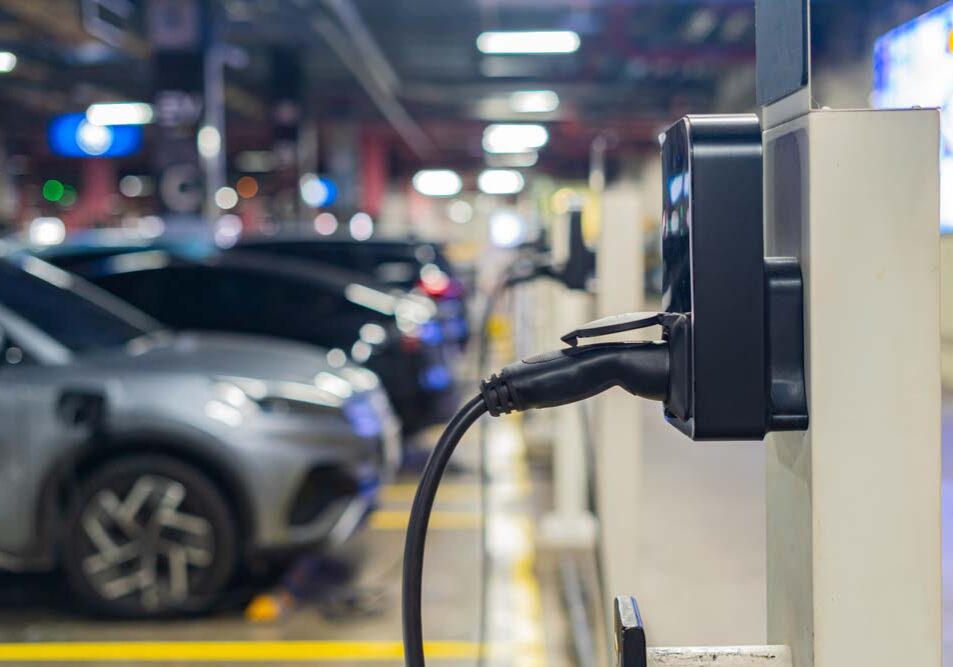
At its core, an electric car charging station delivers power from your electrical panel to your vehicle through a dedicated circuit. The U.S. Department of Energy reports that over 80 percent of EV charging happens at home, which is why proper setup matters. Home charging is designed for convenience, consistency, and safety when installed correctly.
Choosing the Right Charger Level
Electric car chargers are typically grouped into Level 1 and Level 2 options. Level 1 chargers plug into a standard outlet and charge slowly, while Level 2 chargers use higher voltage and reduce charging time significantly. According to the Department of Energy, a Level 2 charger can add about 25 miles of range per hour, making it a popular choice for daily drivers.
Getting the Installation Right
An electric vehicle charger installation involves more than mounting a unit on the wall. The circuit must match the charger’s power requirements, grounding must be correct, and local electrical codes must be followed. Improper installation increases the risk of overheating and breaker issues, which is why professional installation matters for both safety and reliability.
When Repairs Become Necessary
Even well-installed systems may need periodic EV charger repair and maintenance over time due to wear, power surges, or connection issues. Warning signs include error messages, interrupted charging, or unusual heat around the outlet or charger. The Electrical Safety Foundation International notes that damaged electrical equipment is a common cause of home electrical incidents, reinforcing the value of timely repairs.
Adding Charging to Shared or Outdoor Spaces
Properties benefit from an EV charger station installation, especially multi-vehicle households or shared driveways. These setups require careful planning to manage load demand and weather exposure. Proper placement and equipment ratings help chargers operate safely in outdoor or semi-public areas.
Simple Habits That Help Chargers Last
An electric car charger performs best when basic maintenance is part of routine home care. Keeping vents clear, checking cables for wear, and avoiding extension cords all support safe operation. The National Renewable Energy Laboratory advises routine visual inspections to catch early signs of damage.
FAQs
Do I need to upgrade my electrical panel for home charging?
Some homes do, depending on panel capacity and charger level.
How long does installation usually take?
Most residential installations are completed within a day after permitting.
Can chargers be installed outdoors?
Yes, outdoor-rated chargers are designed to handle weather exposure.
What should I do if my charger stops working?
Stop using it and have a licensed electrician inspect the system.
We Make EV Charging Simple
E I Electrical Inc. is a family-owned, locally owned and operated company trusted and recommended by the community since 1996. Our Google 5-star-rated electricians deliver rapid response and turnaround time, backed by a workmanship guarantee and proof of license, bonding, and insurance. We offer a full range of electrical services and take pride in helping Mililani homeowners charge with confidence and clarity. Drop us a line to schedule a service appointment today!
Don’t Hesitate To Contact Us Any Time